
Why Every Dog Trainer Seems to Say Something Different

For every piece of advice or training recommendation I give a client, they’ve usually been told something completely different before they came to me.
For example:
Me:
“Make sure your reward events are fun and involve things the dog enjoys doing, such as chasing or catching the food.”
My client:
“I was told the reward marker is enough and not to be so Disney with my dog because it’s bribing.”
Me:
“Walk your sport dog. It’s no wonder they’re switched on all the time and dysfunctional if all they do is come out and bite.”
My client:
“I was told this kills drive and these dogs should only be training.”
Me:
“Let’s teach your reactive dog an alternate behaviour to barking and lunging. We’ll use controlled set ups and bring punishment in later.”
My client:
“I was told to punish my reactive dog for even looking, to stop the reaction before it can occur.”
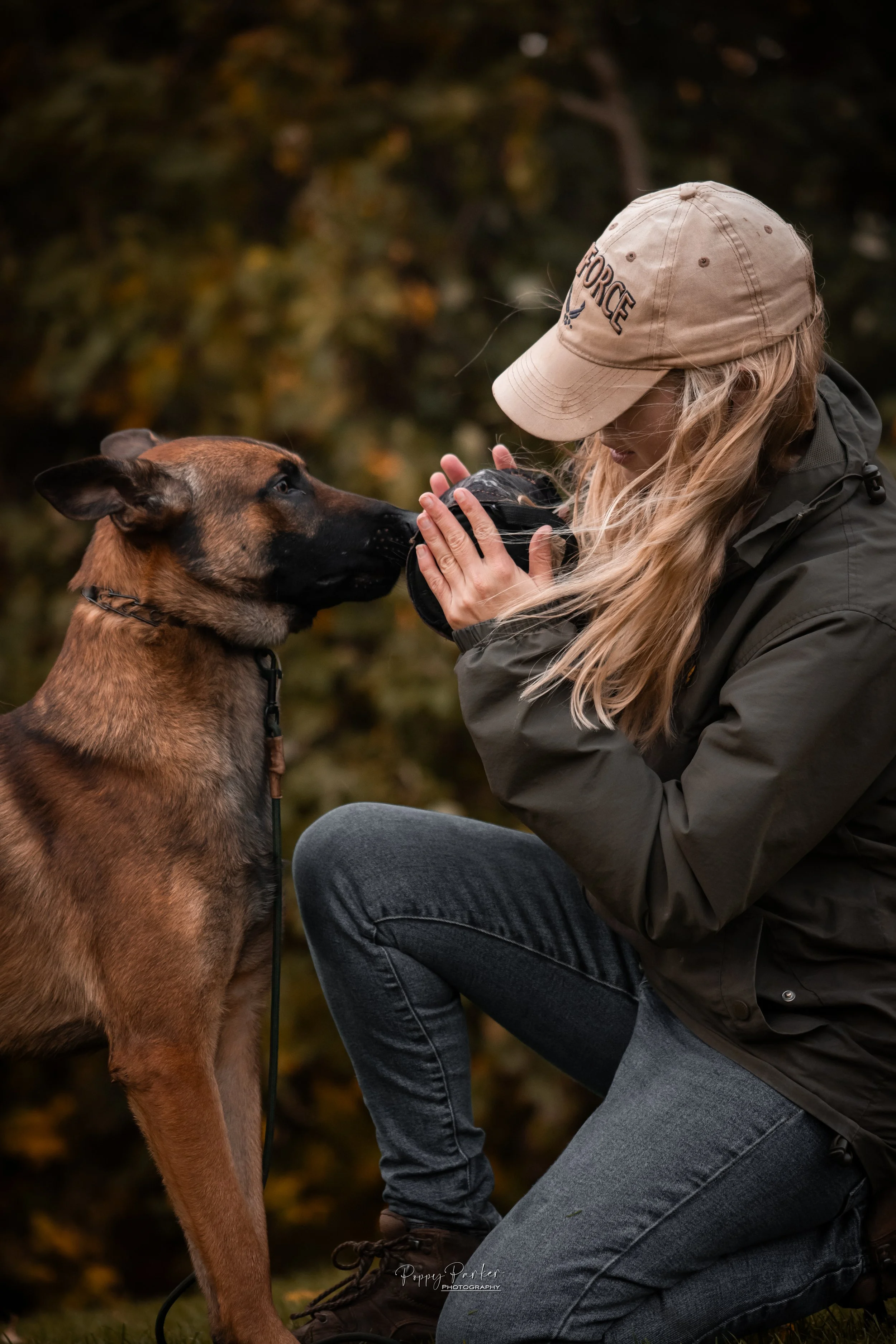
These are just three of the most common ones I’m hearing at the moment. So is it any wonder owners are as confused as they are? When you’re trying to do the right thing and two professionals tell you opposite things, it’s hard not to question everything.
The bottom line is, we’re often working from different frameworks.
Dog training has multiple “schools of thought”. Most of us would agree it isn’t one size fits all, but trainers tend to sit somewhere along a spectrum when it comes to how they approach it.
That spectrum might look like:
Reward based only
Saying we’re balanced but using that as an excuse to over punish and set the dog up for continuous failure
Relationship based, approaching training from a more holistic and lifestyle standpoint
Or a mix of some or all of the above
Where we end up fitting into these methods, at least for me, has been shaped by personal experience and my own values when it comes to training. Or put more simply, the lens through which I see things.
As someone who values my own mental and physical health, and knows how I feel when those things are prioritised, it makes sense to me that my living, breathing animal ought to feel the same. It’s near on impossible for a dog to feel balanced if they sit in a crate 23 hours of the day and are only brought out for training or a brief walk.
Another trainer may look through their own lens and come to the conclusion that a working breed should do just that, come out to work. Why bother with anything else?
Different perspectives = different training advice.
The important thing for owners isn’t choosing a “side”, but understanding the framework behind the advice they’re being given, and whether it aligns with their dog, their lifestyle and their long term goals.
Hope this helps 🧡